DappLooker
DappLooker is a crypto data infrastructure platform powering AI agents, trading systems, and enterprise analytics.





What is DappLooker?
DappLooker is a crypto data infrastructure platform that delivers real-time market, on-chain, and wallet intelligence through unified APIs. It provides institutional-grade infrastructure powering AI agents, trading systems, and enterprise analytics at scale. DappLooker's product ecosystem includes AI-native solutions such as HyprEarn for one-click perpetual trading setups and Loky AI for personalized trading intelligence. The platform offers clean, structured, machine-optimized data streams covering token fundamentals, technical indicators, smart money and whale data, social signals, risk and contract health, and wallet-level insights — all engineered for LLMs, agentic architectures, and dashboards. DappLooker also provides a no-code analytics platform with an intuitive query and dashboard editor, a subgraph analyzer for real-time data visualization, DataBOTs for social channel analytics, and a developer-friendly API SDK. Partners have reported 60% cost savings and 80% time savings compared to alternative solutions.
Web3 dapps and developer tools related to DappLooker
Discover blockchain applications that are frequently used with DappLooker.
 Footprint Analytics
 Nansen Portfolio
 YEY Technologies
 Chainbase

Developer resources from Alchemy
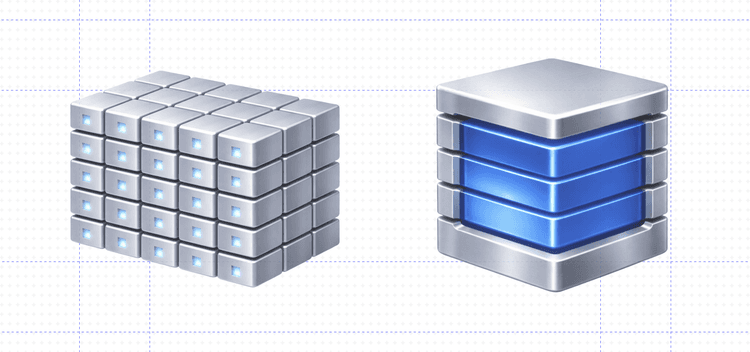
Node RPC vs. Dedicated Clusters: choosing the right infrastructure for your workload
Learn how Alchemy's two infrastructure models work, when each one is the right fit, and how to decide for your team.
Migrating from Sim to Alchemy's Data APIs
Dune is retiring the Sim API on August 1, 2026. Alchemy's Data APIs cover the most common Sim migration paths across EVM chains and Solana.
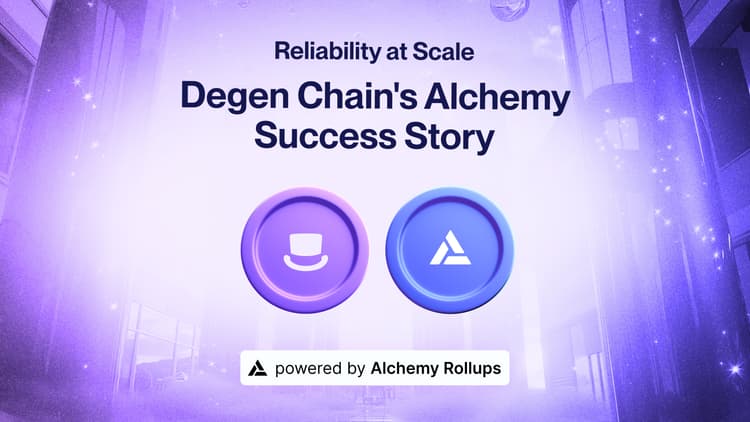
Reliability at scale: Degen Chain's Alchemy success story
How migrating to our Rollups-as-a-Service platform improves rollup infrastructure reliability, engineering support, and user trust.
DappLooker alternatives
Explore web3 competitors and apps like DappLooker.
 LOCKON
 DEX Screener
 CoinGlass

 Glassnode
App store listings are independently reviewed and written by Alchemy using a combination of inbound submissions, editorial research, public project sources, and third-party directories, including ecosystem data from The Grid under the Open Database License, DefiLlama, DappRadar, Reown, and chain ecosystem pages.