
Dedge Security
Dedge is a security posture management platform for Web3 digital assets infrastructure.





What is Dedge Security?
Dedge Security is a continuous security posture management platform for Web3 digital assets infrastructure, integrating asset discovery, risk identification, and production monitoring. It automatically detects when new code, configuration, or permission changes reintroduce known security or compliance risks before deployment. The platform covers the full SDLC with four-layer risk detection (static, dynamic, AI, and business logic) and supports 5+ Web3 languages including Solidity, Rust, and DAML. Dedge provides application security, deployment and supply chain security, and compliance and evidence generation, helping enterprises and Web3-native companies extend their security perimeter with audit-ready evidence and 24/7 continuous risk monitoring.
Web3 dapps and developer tools related to Dedge Security
Discover blockchain applications that are frequently used with Dedge Security.
 FailSafe
 codeslaw
 Beosin
 Glider
Developer resources from Alchemy
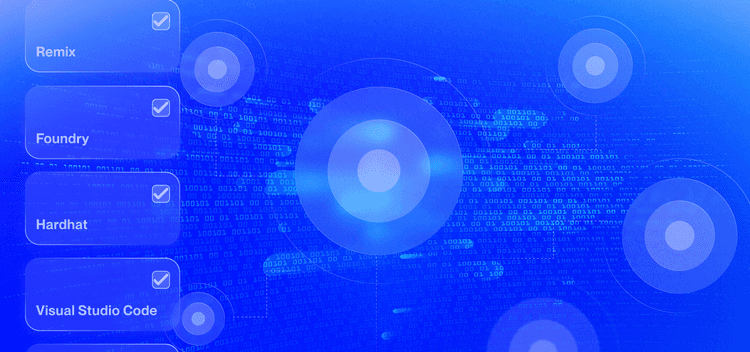
The 6 best Solidity IDEs for developers (2026)
Explore the best IDEs for Solidity development.
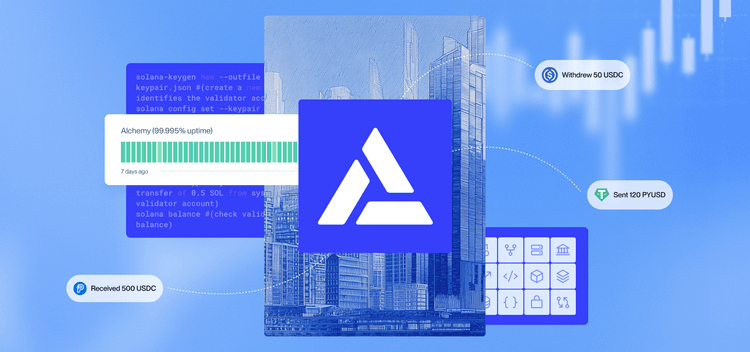
The infrastructure behind the world's leading blockchain applications
Alchemy processes billions of blockchain requests daily for companies like Visa, Stripe, and Coinbase. Here's how eight years of engineering built the infrastructure behind $1T+ in annual onchain transactions across 100+ chains.
Metropolis makes it easy to deploy smart contracts using Alchemy's account abstraction infrastructure
Learn how Metropolis is leveraging Alchemy's account abstraction infrastructure to redefine smart contract deployment with their new product, Metal.
Dedge Security alternatives
Explore web3 competitors and apps like Dedge Security.
 GoPlus Security
 EverRise
 Venn Network
 DATS
DATS
App store listings are independently reviewed and written by Alchemy using a combination of inbound submissions, editorial research, public project sources, and third-party directories, including ecosystem data from The Grid under the Open Database License, DefiLlama, DappRadar, Reown, and chain ecosystem pages.