OpenOcean
OpenOcean is a DEX aggregator, a cross-chain swap aggregator, and a Web3 middleware developer.



What is OpenOcean?
OpenOcean is the widest-reaching DEX and cross-chain swap aggregator, as well as a Web3 middleware developer in the crypto space. Offering a suite of tools across 23 networks and 285+ unique sources of liquidity, OpenOcean is building tools for now and for the future. OpenOcean's Best Rate Swap function enables retail users to execute token to token swaps on the protocol. This function enabled projects like Defillama, Gnosis SAFE, Li Finance, Xdefi Wallet, BENQI, etc., to use OpenOcean’s swap function API, SDK, and widget for swaps. OpenOcean's API powers arbitrage trading for projects like Hummingbot, Alpha One, and more. Their Cross-chain Swap function enables retail users to execute cross-chain tokens to token bridge and swap on the protocol. OpenOcean enables projects to provide cross-chain swaps using their API.
Web3 dapps and developer tools related to OpenOcean
Discover blockchain applications that are frequently used with OpenOcean.
 Lighter
 edgeX
 Aster DEX

 ApeX Protocol

Developer resources from Alchemy

The complete guide to Solana for financial institutions
BlackRock, Franklin Templeton, and major banks are deploying on Solana. Here’s why institutions are choosing the network, how multi-chain operations change the calculus, and what to demand from infrastructure providers.
Unichain, powered by Alchemy’s full-stack platform makes DeFi 95% cheaper and faster
Ship production-ready DeFi apps from day one of mainnet with Alchemy’s infrastructure support for Unichain, the L2 that's set to transform how we think about onchain liquidity.
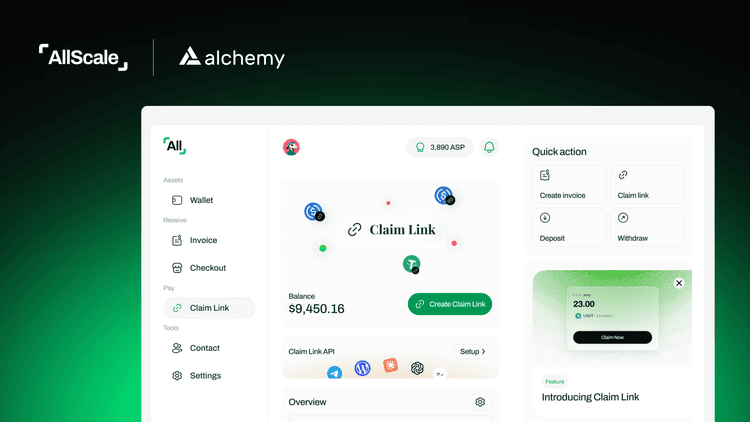
How AllScale powers fast, reliable stablecoin payments at scale
AllScale standardized blockchain reads and transaction requests on Alchemy Node API to power stablecoin checkout, invoicing, payroll, and payouts.
OpenOcean alternatives
Explore web3 competitors and apps like OpenOcean.
 Uniswap
 PancakeSwap

 Nest Exchange

 Increment Finance

App store listings are independently reviewed and written by Alchemy using a combination of inbound submissions, editorial research, public project sources, and third-party directories, including ecosystem data from The Grid under the Open Database License, DefiLlama, DappRadar, Reown, and chain ecosystem pages.