Migrating from Sim to Alchemy's Data APIs
Author: Abdul Manan
Dune is retiring the Sim API on August 1, 2026. If your app uses Sim for wallet balances, transaction history, token data, or DeFi positions, you need a replacement before the deadline.
Most balance, NFT, token, and activity workflows have a clear path to Alchemy's Data APIs. A few do not have direct productized equivalents; those are flagged below so you can scope them before moving production traffic.
What Alchemy covers
The tables below map the most common Sim endpoints to the closest Alchemy endpoint. Rows marked "No equivalent" have no direct productized endpoint, so bring those workflows to the Alchemy team before switching production traffic.
Token and balance
Activity and transactions
DeFi
Solana and SVM
Migrate in four steps
1. Get your Alchemy API key
Create an app in the Alchemy Dashboard and copy your API key. The exact request URL differs by endpoint, so follow the docs link on each mapping row for the current path and request shape.
2. Update authentication and request shape
Sim used the X-Sim-Api-Key header with chain IDs inline. Alchemy authenticates with your API key, and request and response shapes differ by product.
Before, a Sim request looked like this:
curl https://api.sim.dune.com/v1/evm/balances/0xYOUR_ADDRESS \
-H "X-Sim-Api-Key: YOUR_SIM_KEY"
When you migrate, use the Alchemy endpoint-specific docs for the exact request body, auth pattern, and response fields for that product.
3. Update chain identifiers
Sim used numeric chain IDs. Alchemy uses string network slugs, passed as an array when you query multiple chains in one request.
Per-product chain coverage varies. Check the Alchemy chain support page before migrating each endpoint.
4. Update pagination
Sim used offset-style paging. Alchemy uses cursor-style pagination: you pass back a token from the previous response. The exact parameter names differ by endpoint, so use the docs for the product you are migrating.
# Sim
?limit=100&offset=YOUR_NEXT_OFFSET
Why Alchemy
Migrating from Sim can also consolidate more of your stack onto one platform.
- One platform: Data APIs, Node APIs, Wallet APIs, and Transaction Simulation sit behind a single key, so you can expand past data without stitching together more providers.
- Solana coverage: Native Solana RPC, Portfolio support for SPL balances, and DAS API support for richer Solana queries.
- Transaction simulation: Predict asset changes, decode traces, and simulate bundles before a transaction lands.
- Enterprise-grade support: Enterprise teams get dedicated support and production reliability for critical migration windows.
- Special pricing for Sim customers: Alchemy is offering discounted pricing for teams migrating from Sim during the wind-down. Contact us and mention your Sim account.
Get started
Sim shuts down August 1, 2026. Start now so you have time to dual-run your integration and validate response parity before the deadline.
- Read the Alchemy Data API docs
- Create an Alchemy API key
- Contact us with your current Sim call pattern, and we'll help map the migration path.
Alchemy Newsletter
Be the first to know about releases
Sign up for our newsletter
Get the latest product updates and resources from Alchemy
By entering your email address, you agree to receive our marketing communications and product updates. You acknowledge that Alchemy processes the information we receive in accordance with our Privacy Notice. You can unsubscribe anytime.

Related articles
Glamsterdam: the complete guide for Ethereum developers
Glamsterdam is live on Sepolia. The complete guide to what it means for developers and how Alchemy has prepared for the network upgrade.
Why trading teams choose Alchemy for low-latency RPC
Trading teams choose Alchemy for low-latency reads and writes when the market moves, and a reliable record when money settles, even at peak volume.
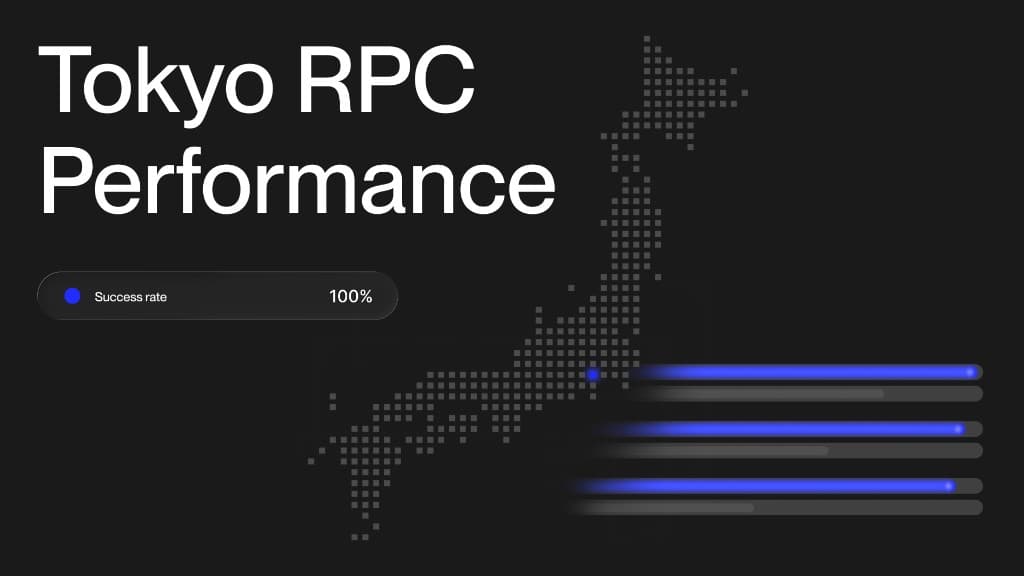
Which RPC provider should you build on in Tokyo?
We benchmarked five of the RPC providers serving Tokyo across five chains. Here is how they compare, and where the differences matter for latency-sensitive teams.