EarnPark
EarnPark is a crypto yield platform offering up to 20% APY on BTC, ETH, and USDT through automated CeFi and DeFi strategies.



What is EarnPark?
EarnPark is a UK-based crypto yield platform that enables users to earn up to 20% APY on assets like BTC, ETH, USDT, and SOL through CeFi and DeFi strategies. Users can identify top market strategies, ascertain their risk levels, and construct a portfolio that aligns with their investment and risk tolerance, all via a clear and straightforward interface. EarnPark publishes regular Proof of Reserves reports to ensure asset security and operates as a qualified market maker on Binance. The platform supports deposits across multiple chains including Ethereum, Solana, BNB Chain, and Tron.
Web3 dapps and developer tools related to EarnPark
Discover blockchain applications that are frequently used with EarnPark.
 Yield Yak


 Crypto.com Liquid Staking


 Jito
 Treehouse Protocol

Developer resources from Alchemy

The complete guide to Solana for financial institutions
BlackRock, Franklin Templeton, and major banks are deploying on Solana. Here’s why institutions are choosing the network, how multi-chain operations change the calculus, and what to demand from infrastructure providers.

Alchemy Validators expands Solana staking rewards with Pye Labs
Alchemy collaborates with Pye Labs for institutional Solana staking with 13-25% yields vs 7%. Features programmable lockups, transparent terms, tradeable positions, and 99.9%+ uptime across institutional-grade infrastructure.
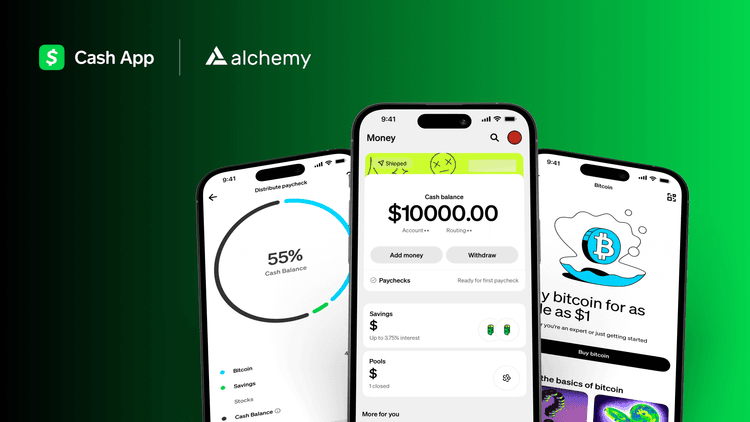
How Cash App makes stablecoin money movement feel as simple as cash
Cash App uses Alchemy Node APIs and Webhooks so every stablecoin balance and transfer stays continuously verifiable against public chain state.
EarnPark alternatives
Explore web3 competitors and apps like EarnPark.
 EigenCloud
 SSV Network
 Staking Facilities
 Ubik Capital
App store listings are independently reviewed and written by Alchemy using a combination of inbound submissions, editorial research, public project sources, and third-party directories, including ecosystem data from The Grid under the Open Database License, DefiLlama, DappRadar, Reown, and chain ecosystem pages.