LYNC
LYNC is a Web3 infrastructure platform providing wallets, gas sponsorship, gaming SDKs, and on-chain deployment tools.






What is LYNC?
LYNC is a Web3 infrastructure platform that provides the complete stack to build and scale Web3 products. Its purpose-built primitives cover wallet infrastructure with embedded account abstraction, a paymaster for gas sponsorship and ERC-20 payments, a transactional layer for reliable transaction bundling and relaying, gaming SDKs for Unity 3D and Unreal Engine, a no-code contract deployer for ERC-721, ERC-1155, and custom contracts, and a launchpad SDK for token and NFT releases. LYNC SDKs support Web (React, Next.js), mobile (iOS, Android, React Native), and game engine (Unity 3D, Unreal Engine) environments. The platform is live across EVM, Move-based, and emerging ecosystems including Ethereum, Polygon, Arbitrum, Solana, Aptos, Avalanche, and others. LYNC is designed for teams that need to reduce time to market, with pre-built, production-ready infrastructure that can save months of foundational engineering.
Web3 dapps and developer tools related to LYNC
Discover blockchain applications that are frequently used with LYNC.
 Superb
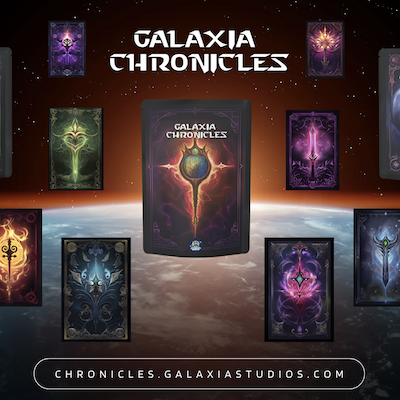 Galaxia Chronicles
 Mojito
 Salvor
Developer resources from Alchemy
What is ERC-8004? How trustless agents work on Ethereum
ERC-8004 is Ethereum's trustless agents standard. Learn how its onchain identity, reputation, and validation registries let AI agents transact safely.
Changing the Game(s) with Geist
Learn more about Geist, a new members-only gaming chain from Pixelcraft Studios and Aavegotchi, built on our Rollups stack.
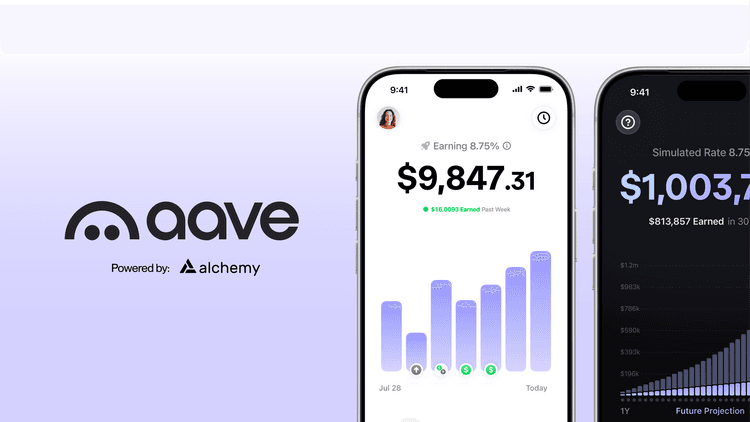
How Aave runs the largest lending protocol in DeFi across 20+ chains with Alchemy
Aave has run its traffic on Alchemy since 2021, powering protocol data across 20+ networks and a gasless consumer app, through V4, Cortex, and spikes above 2M CU/s.
LYNC alternatives
Explore web3 competitors and apps like LYNC.
 BitTorrent
 Livepeer
 PlaysOut
 W3GG
W3GGApp store listings are independently reviewed and written by Alchemy using a combination of inbound submissions, editorial research, public project sources, and third-party directories, including ecosystem data from The Grid under the Open Database License, DefiLlama, DappRadar, Reown, and chain ecosystem pages.