
Millennium Club DAO
Multi-chain investment DAO using ve(3,3) treasury mechanics, protocol-owned liquidity, and direct stakes in 30+ DeFi protocols to compound on-chain yield.





What is Millennium Club DAO?
Millennium Club DAO (MCLB) is a Web3 investment community that builds strategic governance positions across DeFi by deploying protocol-owned liquidity into ve(3,3) DEX ecosystems including Aerodrome, Velodrome, Shadow, Beradrome, and Ramses. The DAO's flagship asset, fBOMB, is a deflationary yield-bearing token backed by the MCLB Treasury — burn taxes, emissions, and bribe revenue compound treasury value while LP yields offset transaction costs. MCLB also runs an incubation arm investing in early-stage DeFi, gaming, and infrastructure projects across Sonic, Berachain, Base, Optimism, and other EVM chains. Members participate via the MCLB governance token, which directs treasury management and emissions strategy.
Web3 dapps and developer tools related to Millennium Club DAO
Discover blockchain applications that are frequently used with Millennium Club DAO.
 SentismAI
 LibFi
LibFi
 Ink Finance
 Nouns Builder
Developer resources from Alchemy
A guide to agentic finance in 2026
Agentic finance is the shift from software that informs financial decisions to software that can take action. Here's why crypto rails are the stack.
The stablecoin landscape across different chains
A data-driven look at where $300B+ in stablecoins actually live and move across major blockchains like Ethereum, Solana, Tron, and emerging L1s.
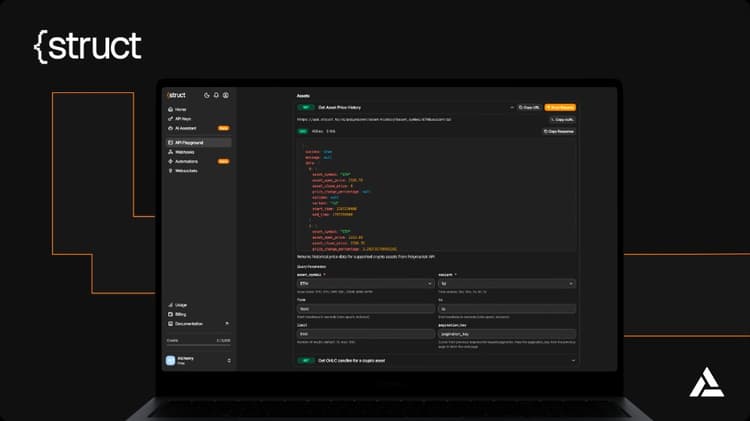
How Struct is building the data layer for onchain finance with Alchemy
Struct uses Alchemy node APIs and WebSockets to power the data layer for onchain finance, with one partner for its expanding multi-chain footprint.
Millennium Club DAO alternatives
Explore web3 competitors and apps like Millennium Club DAO.
 Developer DAO
 Mantle Network
 Slingshot DAO
 Treasure
App store listings are independently reviewed and written by Alchemy using a combination of inbound submissions, editorial research, public project sources, and third-party directories, including ecosystem data from The Grid under the Open Database License, DefiLlama, DappRadar, Reown, and chain ecosystem pages.