
Openfort
Openfort is an open-source wallet stack for building stablecoin products and agentic payments in days, not months.










What is Openfort?
Openfort is an open-source wallet-as-a-service platform that provides the wallet stack for agentic and stablecoin payments — replacing five vendors with a single SDK. It bundles embedded wallets with sub-100ms creation time, transaction policy automation, agentic payments via x402, gas orchestration, and stablecoin orchestration across any chain. Openfort supports use cases including remittances, global payouts, payroll, embedded finance, microtransactions, AI agent wallets, and trading. SDKs are available for React, Expo, Unity, Node.js, Swift, and JavaScript. Over 50 teams have sent 10M+ transactions using the platform.
Web3 dapps and developer tools related to Openfort
Discover blockchain applications that are frequently used with Openfort.
 Bitget Wallet
 Holdstation
 Sequence
 Cobo
Cobo


Developer resources from Alchemy
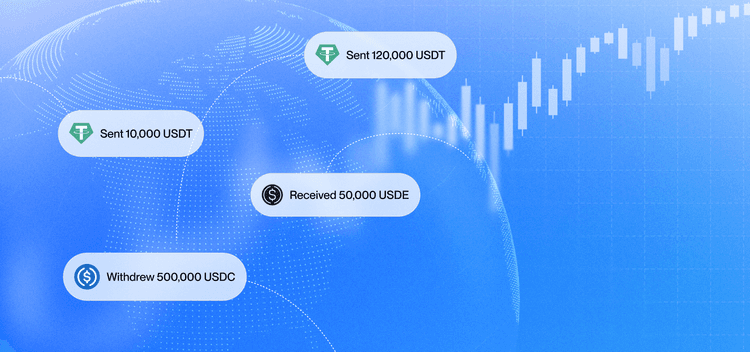
The enterprise stablecoin guide
A practical guide to using stablecoins in enterprise payments—covering why legacy rails fail, which stablecoin types and chains to choose, privacy considerations, and when (not) to issue your own.
Cronos is now live on Alchemy
Alchemy has launched support for Cronos, a purpose-built settlement layer for stablecoins and tokenized assets. Connect via RPC and build with gasless transaction infrastructure.

How to scale to 30,000 requests per second. The story behind Usual's seamless airdrop
Usual aims to put ownership back in the hands of its users, by ensuring that value flows back to the community rather than concentrating at the top, paving the way for a fair and community-driven future for stablecoins and token-based finance.
Openfort alternatives
Explore web3 competitors and apps like Openfort.
 Coinbase Developer Platform
 Privy
Privy Apillon Embedded Wallet Service
 Mysten Labs
App store listings are independently reviewed and written by Alchemy using a combination of inbound submissions, editorial research, public project sources, and third-party directories, including ecosystem data from The Grid under the Open Database License, DefiLlama, DappRadar, Reown, and chain ecosystem pages.