
Splits
Splits is a permissionless financial infrastructure platform for processing revenue, managing treasury, and running operations onchain.





What is Splits?
Splits is a permissionless financial infrastructure platform that lets users process revenue, move money, and run operations instantly, anywhere in the world — with no paperwork or company needed. Splits offers shared wallets with modern banking features including subaccounts, treasury management, accounting, bank transfers, automations, and invoicing. It supports crypto and fiat payments, payroll, and recurring payments in one place. Automated swaps convert volatile assets into stablecoins upon receipt, and idle cash can earn yield with full visibility into all assets and transactions. The platform is built on open-source, self-custodied accounts with cryptographic access controls. Its battle-tested protocol includes composable smart contracts — Split, Waterfall, and Swapper — that can be stacked together or used individually. Developer tools including SDKs, APIs, CLI, and an MCP server make integration straightforward.
Web3 dapps and developer tools related to Splits
Discover blockchain applications that are frequently used with Splits.
 Umbra
Umbra CoinSender
 Interspace
 JustMoney


Developer resources from Alchemy
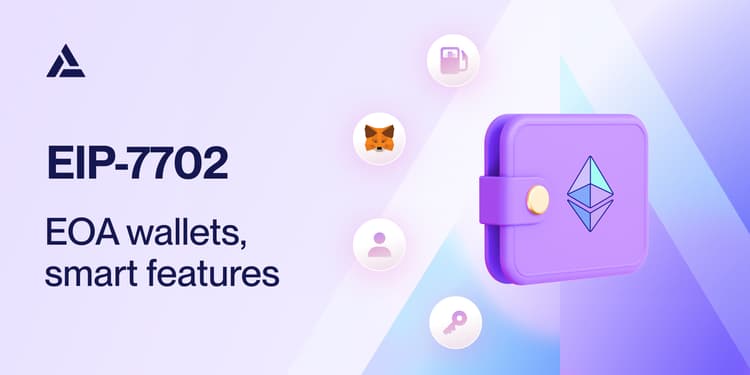
What EIP-7702 means for MetaMask and other wallets
Discover how EIP-7702 will impact wallet providers in 2025, what features users will expect, and the recommended implementation for success.
Tempo Testnet is live on Alchemy: the payments-native blockchain
Tempo is a Layer 1 blockchain built specifically for institutional payments and stablecoins, featuring payment-optimized infrastructure, native account abstraction, and sub-second finality with Alchemy support.

CyberConnect achieves massive scale using Alchemy's AA infra
CyberConnect is a web3 social network utilizing blockchain technology to empower users with ownership of their identity, content, and social data.
Splits alternatives
Explore web3 competitors and apps like Splits.
 Lightning Network
 Superfluid
 Brale
Brale
 BlockBee
App store listings are independently reviewed and written by Alchemy using a combination of inbound submissions, editorial research, public project sources, and third-party directories, including ecosystem data from The Grid under the Open Database License, DefiLlama, DappRadar, Reown, and chain ecosystem pages.