The Graph
The Graph is a decentralized protocol for querying and indexing data from blockchains.
What is The Graph?
The Graph is a decentralized protocol for indexing and querying blockchain data across 90+ supported networks. Developers can create, publish, and distribute subgraphs to organize smart contract data and access it through simple GraphQL queries. The Graph's product suite includes Subgraphs for querying data to application frontends, Substreams for streaming data into custom sinks, a Token API for token balance and price data, Hypergraph for privacy-preserving consumer apps, and Amp — a blockchain-native database for handling complex on-chain data. Users can query liquidity data from published subgraph services like Sushi or Messari. The Graph Network is powered by distributed participants — Indexers, Curators, Delegators, and Subgraph Developers — providing 99.99%+ uptime through globally distributed infrastructure.
Web3 dapps and developer tools related to The Graph
Discover blockchain applications that are frequently used with The Graph.
 Alchemy
 Chainbase
 Uniblock
 0xGraph
Developer resources from Alchemy
How to evaluate dedicated blockchain infrastructure providers
A practical checklist for evaluating dedicated blockchain infrastructure: consistency, uptime, isolation, region, flexibility, and migration path.
The most affordable web3 infrastructure pricing
Only pay for what you build. Premium product, exceptional prices.
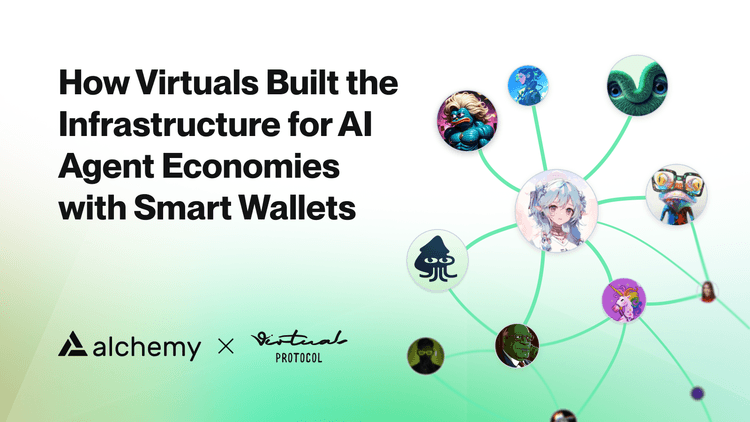
How Virtuals built the infrastructure for AI agent economies with smart wallets
Programmable smart wallets enable tens of thousands of autonomous transactions across 10+ AI agents
The Graph alternatives
Explore web3 competitors and apps like The Graph.
 Helius
 OpenSea Subgraph
 Enzyme Subgraph
 Lido Subgraph
App store listings are independently reviewed and written by Alchemy using a combination of inbound submissions, editorial research, public project sources, and third-party directories, including ecosystem data from The Grid under the Open Database License, DefiLlama, DappRadar, Reown, and chain ecosystem pages.