TransFi
TransFi is a stablecoin-powered cross-border payment infrastructure platform for global businesses.









What is TransFi?
TransFi is a stablecoin-powered payment infrastructure platform that enables businesses to send, receive, and manage cross-border payments globally. The platform supports 70+ countries, 250+ payment methods, 35+ blockchains, and 130+ digital assets and stablecoins. TransFi's product suite includes BizPay for cross-border payments via WhatsApp or Telegram, Ramp for buying and selling digital assets, Checkout for global payment acceptance, an OTC Desk for large-scale trades, and a Settlement Facility for instant liquidity. A single API integration provides access to global collections, payouts, cards, and stablecoin rails. The platform serves remittance and payroll providers, PSPs, crypto exchanges, ecommerce businesses, and enterprises with fast settlements, multi-currency support, and full compliance.
Web3 dapps and developer tools related to TransFi
Discover blockchain applications that are frequently used with TransFi.
 Crossmint

 Gnosis Business
 Mural
Mural
 Coinflow
Developer resources from Alchemy
The stablecoin orchestration problem: Why payment companies are stuck between vendors
The stablecoin orchestration market didn't consolidate as expected. Here's why payment companies face harder vendor decisions than ever, and how to decouple infrastructure from orchestration.
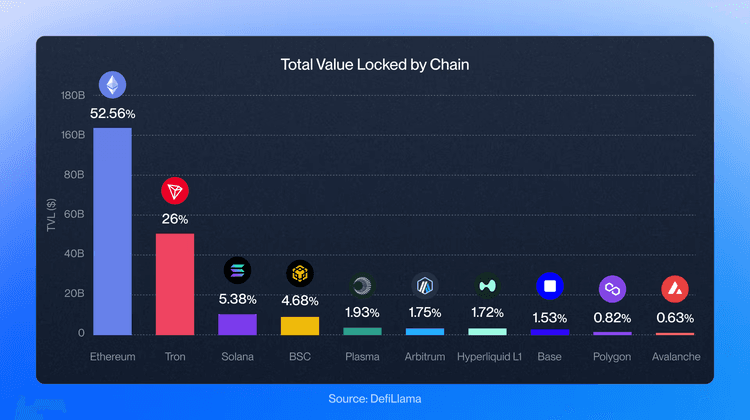
How to build a stablecoin in 2026
A technical guide covering everything you need to know to build your own stablecoin.

How to scale to 30,000 requests per second. The story behind Usual's seamless airdrop
Usual aims to put ownership back in the hands of its users, by ensuring that value flows back to the community rather than concentrating at the top, paving the way for a fair and community-driven future for stablecoins and token-based finance.
TransFi alternatives
Explore web3 competitors and apps like TransFi.
 Coinbase Pay
 Stripe Crypto Onramp
 Fonbnk
 Assetux
App store listings are independently reviewed and written by Alchemy using a combination of inbound submissions, editorial research, public project sources, and third-party directories, including ecosystem data from The Grid under the Open Database License, DefiLlama, DappRadar, Reown, and chain ecosystem pages.