
Ivorypay
Ivorypay is a crypto payment infrastructure platform enabling African businesses to accept stablecoin payments and access global payouts.


What is Ivorypay?
Ivorypay is a crypto payment infrastructure platform built for Africa, enabling businesses to accept stablecoin payments and settle instantly to local African currencies through banks and mobile money. It provides a bi-directional crypto payment rail that connects African businesses to the global economy without forex restrictions or banking barriers. Businesses can accept payments in stablecoins like USDT and USDC through API integrations, payment links, invoices, QR codes, or Ivorypay's no-code storefront builder. Payments can be automatically converted to local currency for predictable cash flow, with support for 150+ countries and fees up to 90% lower than traditional processors. Ivorypay also serves global brands, NGOs, and fintechs with features including automated KYC, real-time AML monitoring, and comprehensive regulatory compliance for major African markets.
Web3 dapps and developer tools related to Ivorypay
Discover blockchain applications that are frequently used with Ivorypay.
 TransFi


 Alchemy Pay
 REAP
REAP


 Bridge
Developer resources from Alchemy
The enterprise stablecoin guide
A practical guide to using stablecoins in enterprise payments—covering why legacy rails fail, which stablecoin types and chains to choose, privacy considerations, and when (not) to issue your own.
How to build a stablecoin in 2026
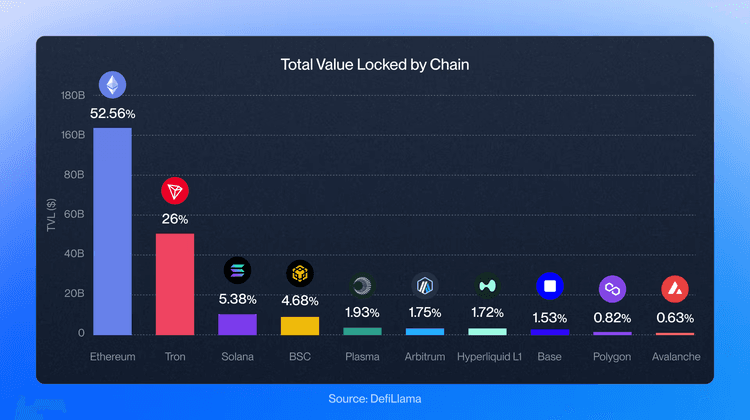
A technical guide covering everything you need to know to build your own stablecoin.

How Slash built stablecoin banking with smart wallets
How Slash uses smart wallets to power gasless stablecoin banking for 3,000+ businesses globally
Ivorypay alternatives
Explore web3 competitors and apps like Ivorypay.
 Lightning Network
 Superfluid

 Quppy
Quppy
 1Money
App store listings are independently reviewed and written by Alchemy using a combination of inbound submissions, editorial research, public project sources, and third-party directories, including ecosystem data from The Grid under the Open Database License, DefiLlama, DappRadar, Reown, and chain ecosystem pages.