SafeStake
SafeStake is a trust-minimized middle layer fostering decentralization of Ethereum staking using Distributed Validator Technology.

What is SafeStake?
SafeStake is a decentralized staking infrastructure and protocol that helps maximize staker rewards by keeping validators secure and online to perform Ethereum staking duties. It is a turnkey DVT (Distributed Validator Technology) solution that splits a validator key into shares, then distributes them to several nodes to achieve high levels of security and fault tolerance. Written in Rust, SafeStake runs on top of the consensus client Lighthouse and uses HotStuff, a partially-synchronous BFT replication protocol that is more robust than iBFT or qBFT, helping minimize the chances of slashing. Each operator node can handle up to 200 validators without sacrificing performance. The SafeStake network consists of validators who stake ETH, operators who maintain independent trustless nodes holding validator key shares, and the ParaState DAO which governs the network. SafeStake implements BLS, MPC, and DKG protocols to manage validator keys securely in a decentralized manner.
Web3 dapps and developer tools related to SafeStake
Discover blockchain applications that are frequently used with SafeStake.
 Orderly Network

 Alchemy MCP Server
 Sequence
 DipDup

Developer resources from Alchemy
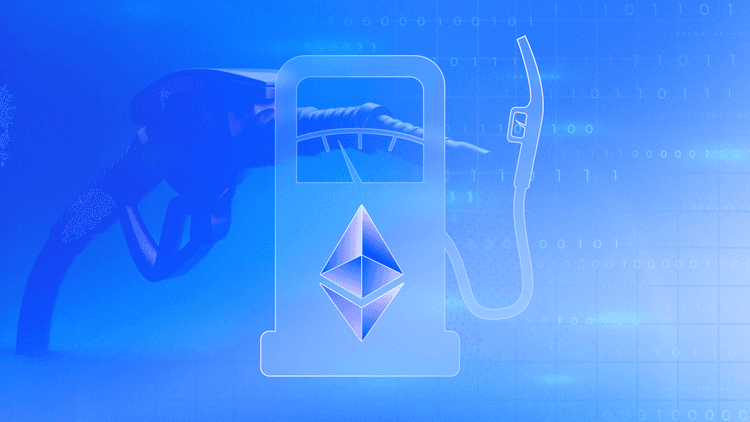
Solidity gas optimization: 12 techniques to make your smart contracts cheaper and more efficient
Want to write better code and lower your gas fees?
How we fine tune our RPC for speed and reliability
We moved compression for large RPC responses to a better layer in our serving path, cutting P95 latency on heavy calls and reducing connection churn.
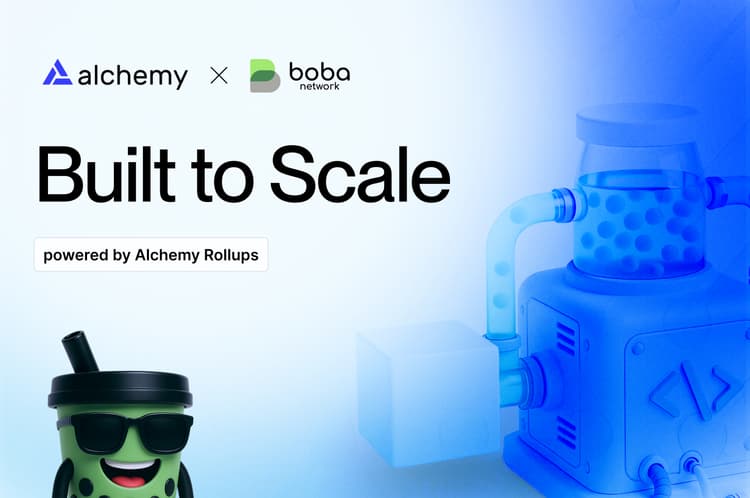
How Enya Labs migrated Boba Network to our rollups in less than 1 hour
With deep OP Stack customizations and rapid growth, Boba turned to Alchemy Rollups for a seamless, sub-hour migration and a scalable, developer-ready foundation.
SafeStake alternatives
Explore web3 competitors and apps like SafeStake.
 Cometh

 Uniswap Web3 React

 W3box
W3box Ignite
App store listings are independently reviewed and written by Alchemy using a combination of inbound submissions, editorial research, public project sources, and third-party directories, including ecosystem data from The Grid under the Open Database License, DefiLlama, DappRadar, Reown, and chain ecosystem pages.